Disclaimer: This article is for informational purposes only and not a substitute for professional medical advice. Always consult with your doctor or healthcare provider before starting any new fitness or lifestyle program.
Getting fit after 40 starts with honesty. At 35, a normal day for me looked like this.
Two hours of weight training. Half an hour of swimming straight after. Then 45 minutes in the sauna, Turkish bath, and hot tub. That was just Tuesday.
My trainer friend told me I was doing it wrong. You don’t swim after weights, he said. You’re not maximising gains. I heard him. I didn’t care. I was strong, I felt good, and my body did exactly what I told it to do. I was doing it because I wanted to and because I could. I loved it.
At 46, I got on my motorcycle. I hit a car at 100 kilometres an hour.
I survived. And one of the reasons I survived — one of the real reasons — is that years of training had built a body with enough strength, agility, and resilience to take that kind of impact and still be here. Fitness isn’t just about looking good. Sometimes it’s the difference between walking away and not walking away at all.
After the accident, I was less active. The physical limitations were real. Some weight came on. That’s life. But there was never a version of events where I was going to let myself go completely. Lean and mean. Not perfect. Just the best version of what’s achievable given everything.
Most people over 40 are out of shape and they know it. They’ve just decided that’s how it is now. That’s the difference between accepting your age and accepting your excuses. This article is for the ones who are done accepting excuses.

What Actually Changes After 40
Let’s be honest about this because most fitness content isn’t.
Your recovery takes longer. What took one day to bounce back from now takes two or three. That’s not weakness — that’s biology. Your testosterone drops. Your muscle mass starts declining if you’re not actively working against it — a condition known as sarcopenia that research confirms accelerates after 40. Your metabolism slows. You carry weight differently. Sleep matters more than it ever did before.
None of this is a death sentence. It’s just information. And information is useful if you’re paying attention.
The biggest mistake people make after 40 is training like they’re still 25. Throwing weights around, going too hard too fast, chasing the numbers they had a decade ago. That’s how you get injured. And when you’re over 40, injuries don’t heal in a week. They sideline you for months.
Work smarter. Not easier — smarter. There’s a difference.
Getting Fit After 40 — You Don’t Need to Be a Hero
Nobody is asking you to bench press 100 kilos or do 20 kilo bicep curls. Nobody cares about that.
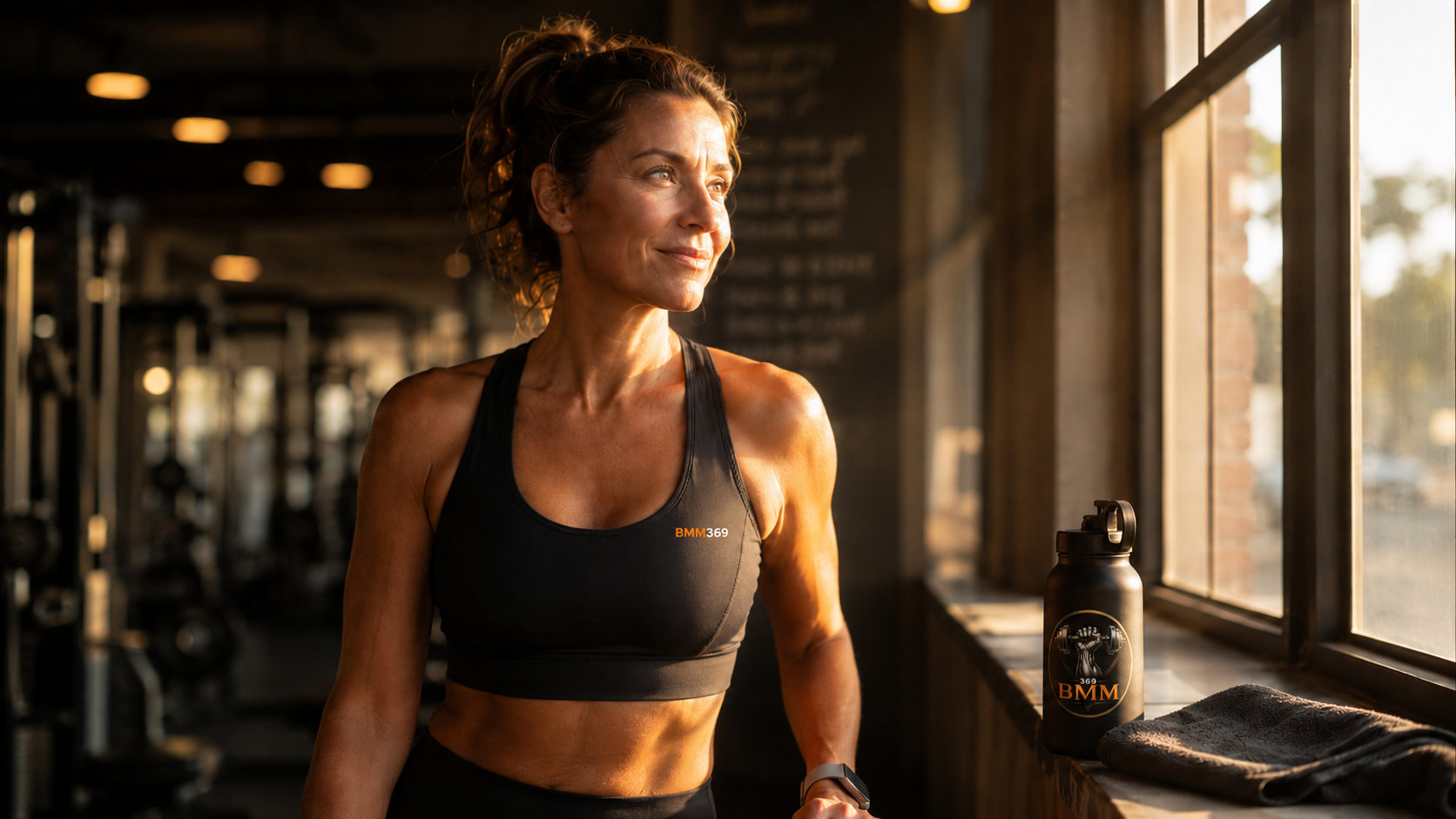
What you actually need after 40 is to be strong enough to feel good, move well, and look decent. That’s it. You want to be firm enough that when someone notices your arms they raise an eyebrow. You don’t need to explain. You just need to have done the work.
That’s the goal. Functional. Confident. Present. Not a bodybuilder. Not an Instagram fitness model. Just someone who took care of themselves when it would have been easier not to.
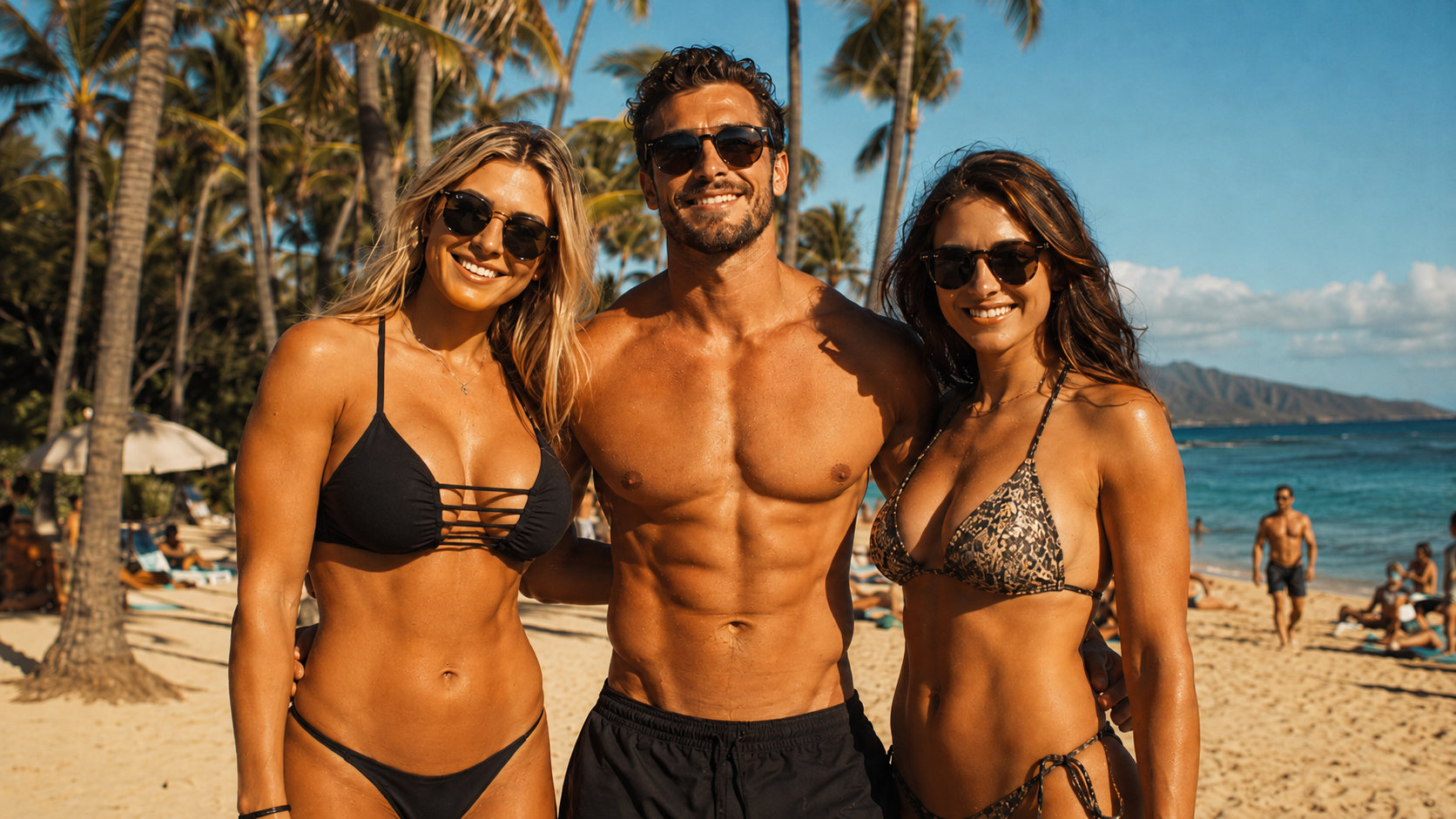
The word “fat” has a round “a” in the middle. The word “fit” has a slim “i.” Coincidence? Probably. Funny? Absolutely. Being fit reflects discipline and effort. It’s visible without saying a word. And at 40-plus, that matters more than ever because you know how hard it is to maintain.
Consistency Is Key, but Rest Is Crucial
Consistency is the only thing that actually works. Showing up regularly, even for short sessions, builds the habit and leads to real progress over time.
But here’s what nobody says loudly enough — rest is not laziness. That day between sessions is where the actual progress happens. You grow while you sleep, not while you train. The session creates the stimulus. Sleep and recovery deliver the result. Cut your sleep and you cut your results. Simple.
Train 3 to 4 times a week. Leave a day between sessions. That’s it. Getting fit after 40 doesn’t require a complicated programme. Don’t overcomplicate it.
The First Week — Do Not Be a Hero
Here’s something nobody warns you about enough.
You start training. Day one feels incredible. You’re pumped, you’re moving, you feel like you’re 30 again. You go hard. You think — this is easy, what was I worried about?
Then you wake up two days later and you can’t lift your arms above your head.
I’ve done this. Everyone has done this. It’s not a badge of honour — it’s a waste of five days when you could have been training.
Make a one-week plan before you start. Pick your body parts. Pick your days. Decide what you’re doing before you walk into the room. Then do that — with intention, not with ego. No chasing heavy numbers. Just do the work, see how your body responds after week one, then adjust.
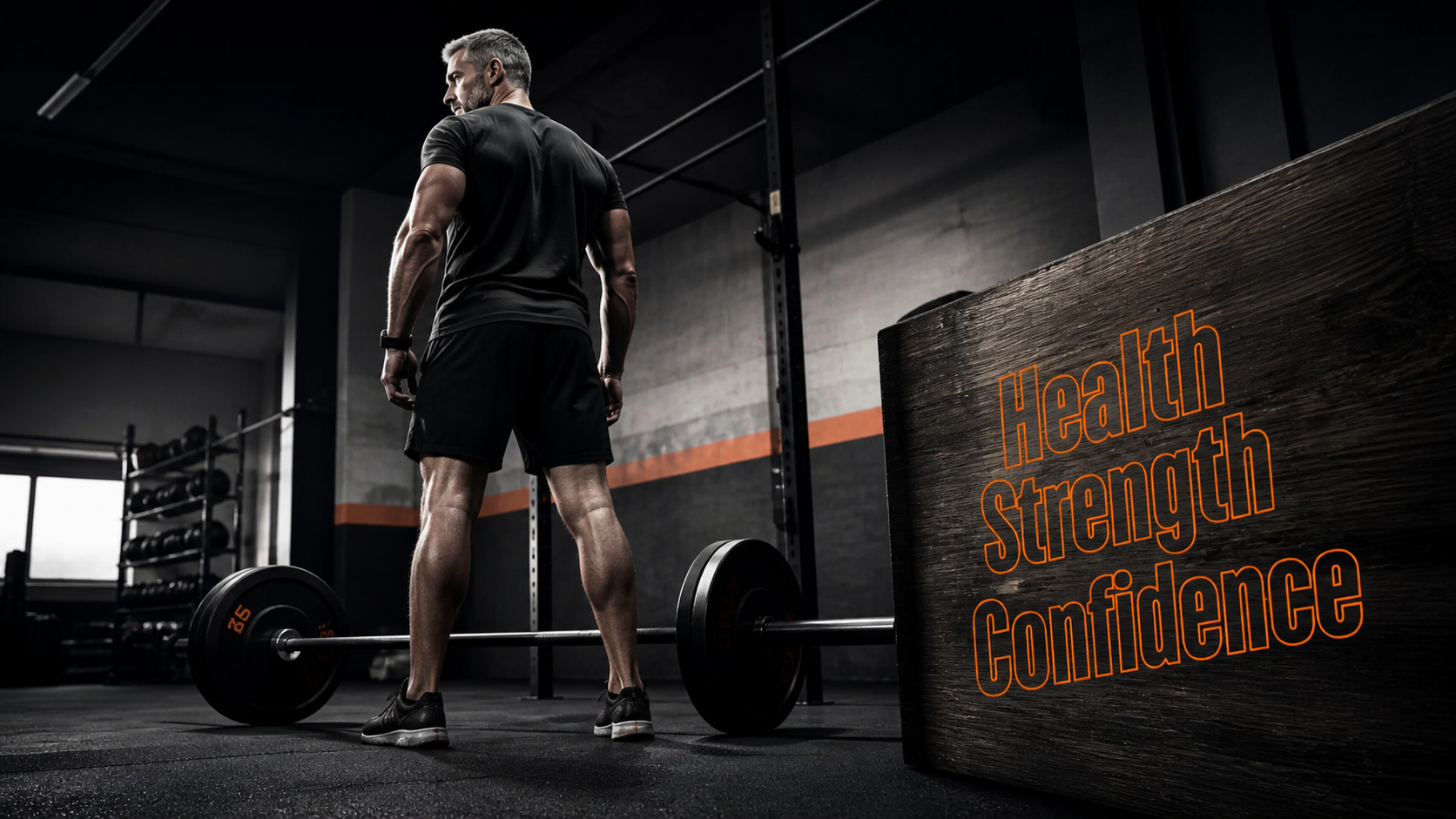
Nobody is chasing you. Nobody is pushing you. Nobody is forcing you. That’s on you. But do it smart for your age. The goal is to still be training in month three — not to be impressive on day one and broken by day three.
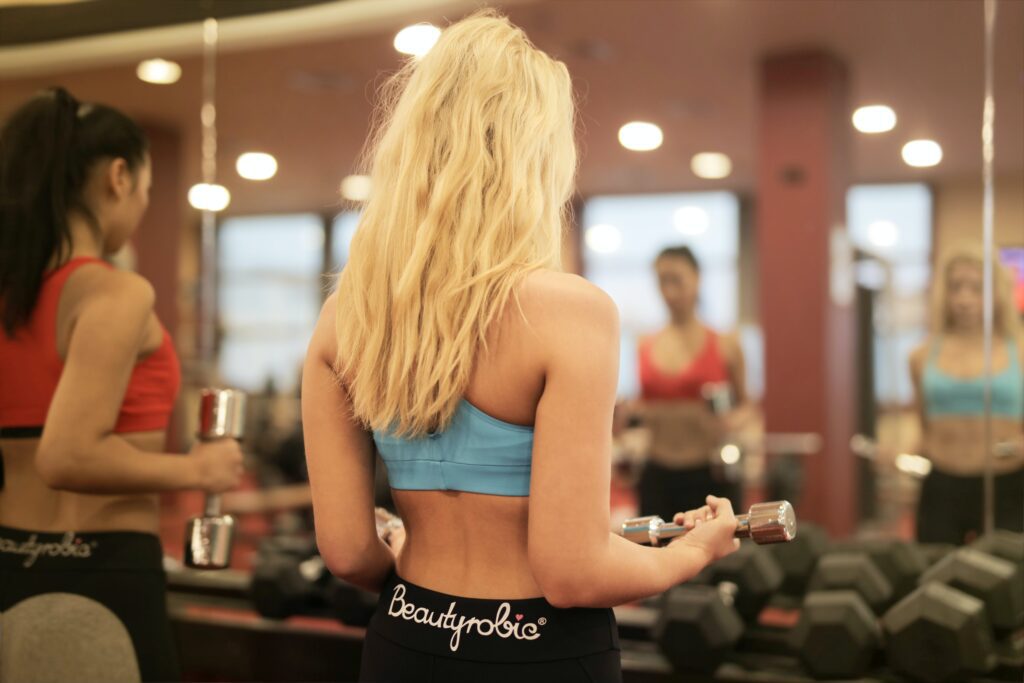
the Mind-Body Connection
Before you dismiss this — hear me out.
When you’re doing a bicep curl, look at your arm in the mirror. Watch the muscle contract. Feel it working. Connect what you’re seeing to what you’re feeling. That mental focus on the muscle you’re training isn’t mystical nonsense — it improves activation, improves form, and reduces the chance of compensating with the wrong muscle group.
See it. Do it. Feel it. That simple.
The bigger picture is this: getting fit after 40 isn’t just physical. The reason most people fail isn’t lack of ability — it’s lack of consistency. And consistency is a mindset problem before it’s a physical one.
This is where the 369 method comes in — not as motivation, not as a pep talk, but as a structured daily habit. A simple routine you do every day without negotiating with yourself about it. It turns fitness into a habit rather than an obligation. If that interests you, grab the free 369 planner — it’s practical and it works.
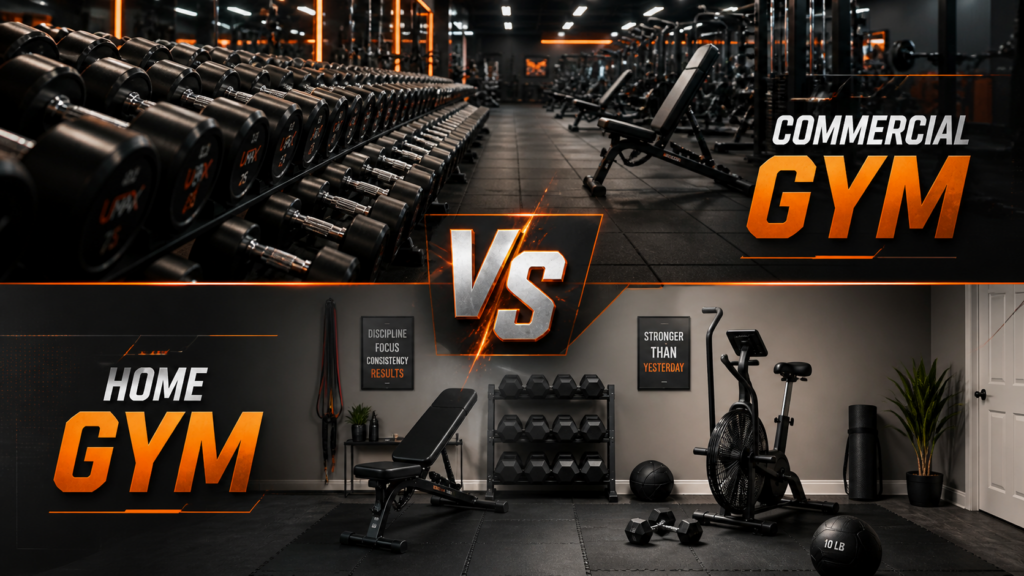
Home Workouts vs. Gym Workouts: What’s Best for You?
Your choice between working out at home or at the gym depends on your lifestyle and preferences. Both have their benefits and drawbacks, and it’s up to you to decide what works best.
Benefits of Working Out at Home
- Convenience: No travel time, and you can exercise whenever you want.
- Privacy: Avoid the crowds and work out in a space that’s comfortable for you.
- Cost-effective: No gym membership fees or travel expenses.
- Flexibility: Take your time with sets and reps without feeling rushed.
Drawbacks of Home Workouts
- Limited equipment: You might lack access to specialized machines or heavy weights.
- No spotter: Be cautious when lifting heavy weights without assistance.
- Motivation challenges: Without a structured environment, staying consistent can be harder.
Benefits of Gym Workouts
- Variety of equipment: Access to machines, free weights, and tools you might not have at home.
- Social atmosphere: Meet friends, find workout partners, or enjoy being around like-minded individuals.
- Professional guidance: Trainers can help with form, technique, and creating effective routines.
Drawbacks of Gym Workouts
- Time commitment: Travel time and waiting for equipment can be a hassle.
- Cost: Gym memberships can be expensive.
- Crowds: You might have to deal with people you don’t know—or don’t like.
Ultimately, it’s your choice. Whether you’re getting fit after 40 by working out at home or at the gym, choose what aligns with your goals and lifestyle. Some prefer the privacy and convenience of home, while others thrive on the variety and atmosphere of the gym.
I prefer working out at home because it saves time and allows me to focus. I blast the music I like to listen to while working out, not needing to wear headsets. I don’t worry about how long I take doing reps or having to wait for someone to finish theirs. I just do what I want to do when I want to do it.
The only thing I would say is having a person help you push out some extra reps at times would be helpful, but I don’t lift that heavy anyway, so I guess it’s fine for me to do it alone.

Diet — The Part People Want to Skip
Nobody gets fit after 40 by ignoring what they eat. Nobody.
In my early 50s I decided enough was enough. I lost 6 kilos in two weeks. Here’s exactly what I did — not a plan, just what actually happened:
Zero alcohol. Zero sodas. Zero gassy drinks. Very little carbs. Clean protein — eggs, meat at night, protein shakes with creatine. Burgers — the patty, tomato, lettuce, maybe a little ketchup. No sauces. No dressings. None of that stuff. Every night after dinner, a banana with peanut butter and honey. That was my dessert. I looked forward to it every single night.
That’s it. Nothing complicated. No calorie counting app. No meal prep spreadsheet. Just clean food, consistently, every day.
The first week the weight drops fast. Some of that is water retention leaving. Then the real fat loss starts. Stay consistent anyway.
Not everyone wants to do what I did. That’s fine. But be honest with yourself about the connection between what you eat and how you look and feel. You can’t out-train a bad diet at any age. After 40 the margin for error gets even smaller.
For more on high protein eating that actually works, check out why eggs beat most meals and the high protein oats breakfast that starts my day every morning.

Why It Actually Matters
I’m 53. I have two boys. There are things I used to be able to do that I can’t do now — not because of age, but because of what happened at 46. And that sits with me.
You want to be strong enough to get on the floor and play with your kids. Strong enough to carry the groceries, move furniture, help a friend, keep up with your family. Strong enough that the people who depend on you don’t have to worry about you.
That’s the real reason. Not vanity. Not Instagram. Not impressing anyone.
The people over 40 reading this aren’t kids chasing aesthetics. They’re people with families, responsibilities, and enough life experience to know that health isn’t guaranteed. They want to make a difference — not just for themselves, but for who they share their life with.
That’s worth doing the work for. Every single day. Getting fit after 40 is one of the best decisions you’ll ever make for yourself and for them.
Do this now: Pick one thing. Not ten. One. A 20-minute walk. A set of resistance bands. Three sessions this week. One week of cutting the processed food. Make a one-week plan. Pick your days. Do the work with intention. See how you feel. Then adjust.
Nobody is chasing you. But you already know it’s time. Getting fit after 40 is a decision, not a discovery. You’ve known for a while. Now do something about it.

Not sure where to start? The free 369 Fitness Planner gives you a simple daily structure to follow — whether you’re just getting back into it or picking up where you left off. No overwhelm. Just a clear starting point.
Dream. Act. Elevate.