A simple, high protein egg meal that works at breakfast, lunch, or anywhere in between — and why most people are underestimating what eggs can do for them.
Eggs Are Not Just a Breakfast Food
Somewhere along the way people decided eggs belong in the morning and nowhere else. That is a shame, because eggs are one of the most practical, high-protein, fast meals you can make at any point in the day — and treating them as a breakfast-only option means you are leaving a very useful tool sitting idle.
Missed breakfast? Eggs. Need a fast lunch that isn’t a sad sandwich from a plastic wrapper? Eggs. Want something warm, filling, and done in under ten minutes without thinking too hard about it? Eggs.
They are not trendy. They are not complicated. A high protein egg meal is one of the most underused and most badly cooked things in most people’s routines. Both of those problems are fixable.
What Most People Get Wrong About Quick Meals
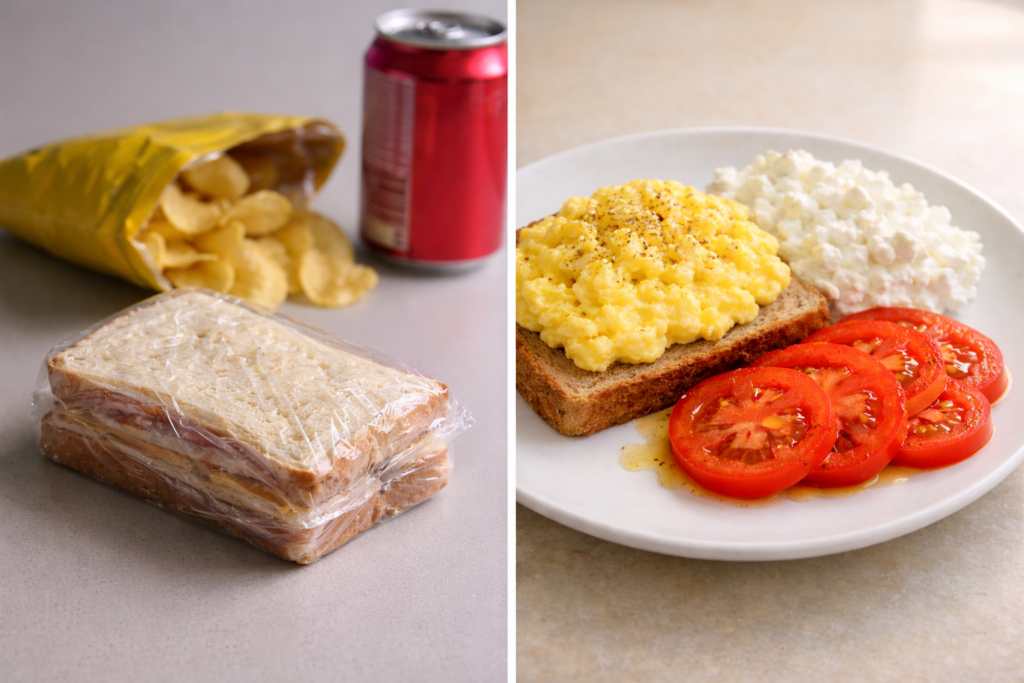
When people are short on time — whether that is in the morning before work or midday between things — they tend to grab whatever is fastest. And fastest usually means worst. A meal deal from the nearest shop. A reheated something from a container. A protein bar that tastes like chalk and does about half the job it claims.
The logic is understandable. Time is short, hunger is real, and cooking feels like effort when you are already behind.
But here is the thing. A proper egg meal takes less time than most people think and does more than almost anything they would grab instead. You are not choosing between fast and good. You are choosing between a habit that serves you and one that doesn’t.
Ten minutes. That is all this takes. And ten minutes is less than the queue at most lunch spots.
Why Eggs Actually Deserve More Credit
A high protein egg meal built around whole eggs is one of the most complete things you can put on a plate. High quality protein, healthy fats, vitamins, minerals — all in something that costs very little and cooks in minutes. There is a reason they have been a staple in serious diets for decades, not because they are fashionable but because they consistently deliver.
A single large egg contains around six grams of protein. Three eggs gives you eighteen grams before you have added anything else to the plate. Add cottage cheese on the side and you are looking at a meal with thirty five to forty grams of protein total, depending on the brand and portion. That is a serious number for something that took less time to make than it takes to scroll through a food delivery app.
They also keep you full. The combination of protein and fat in eggs means your body has real work to do processing them. You are not going to be hungry again in an hour. You are going to be satisfied, focused, and not thinking about food until it is actually time to eat again.
This Comes From the Same Place as the Oats
If you read the first article, you already know where this is coming from. Not a magazine. Not a nutrition course. Just real food eaten regularly on a real schedule.
The oats handle most of my mornings. The eggs handle the rest — late starts, busier days, or when I want something that feels more like a proper cooked meal. Both are simple. Both are fast. Both do exactly what a meal is supposed to do.
If you have not read the oats article yet, it is worth doing. It covers my other go-to breakfast in the same detail — recipe, ingredients, and why each one earns its place. You can find it here: My High-Protein Oats Breakfast Recipe
This is the other half of the routine.
The High Protein Egg Meal: Scrambled Eggs on Toast With Cottage Cheese
Simple. Fast. Better than it sounds if you have been making eggs wrong.
The ingredients:
- 3 eggs
- Butter — enough to coat the pan
- 1 slice whole wheat toast, lightly buttered
- Cottage cheese on the side — a generous portion
How to make it:
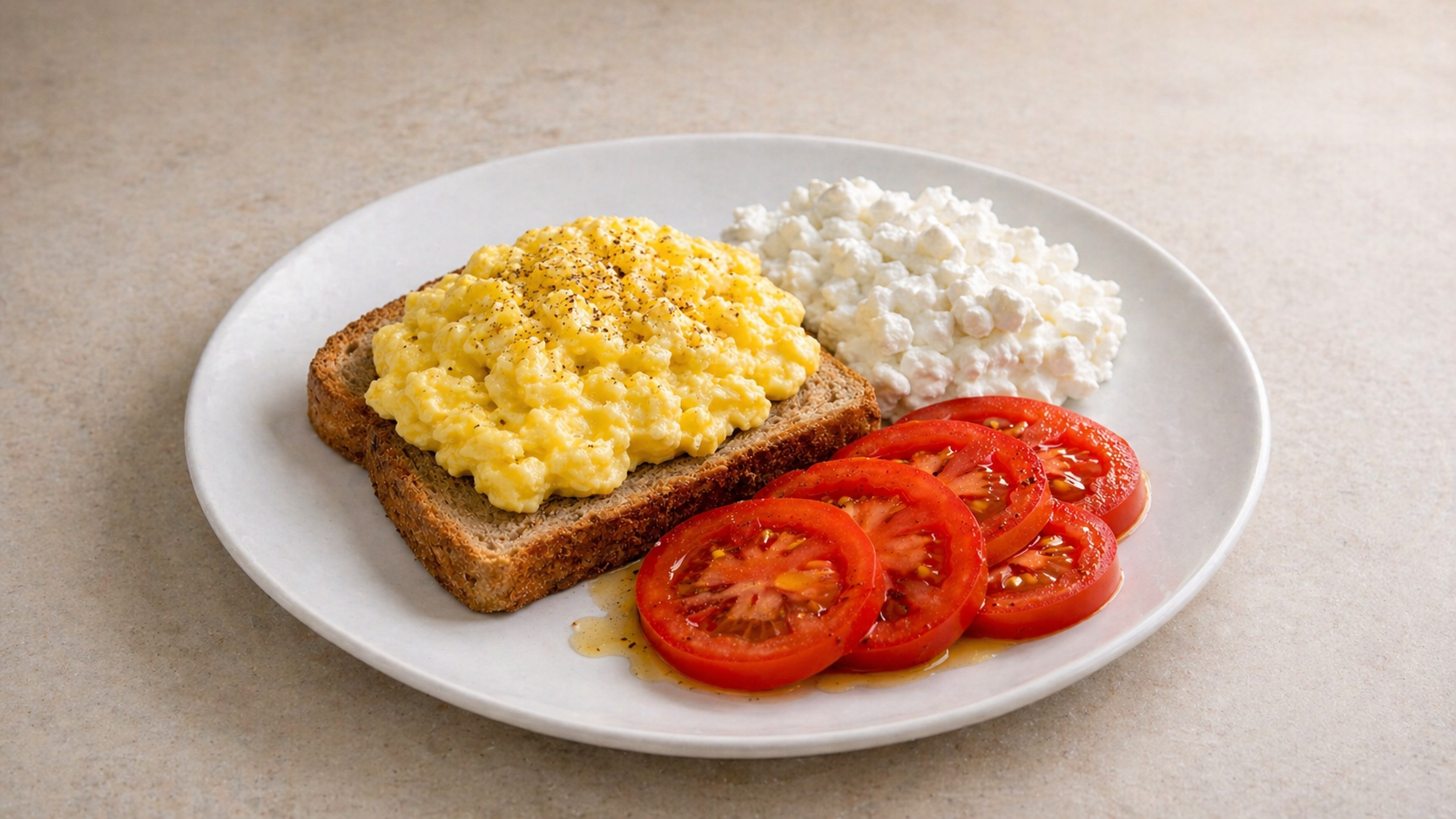
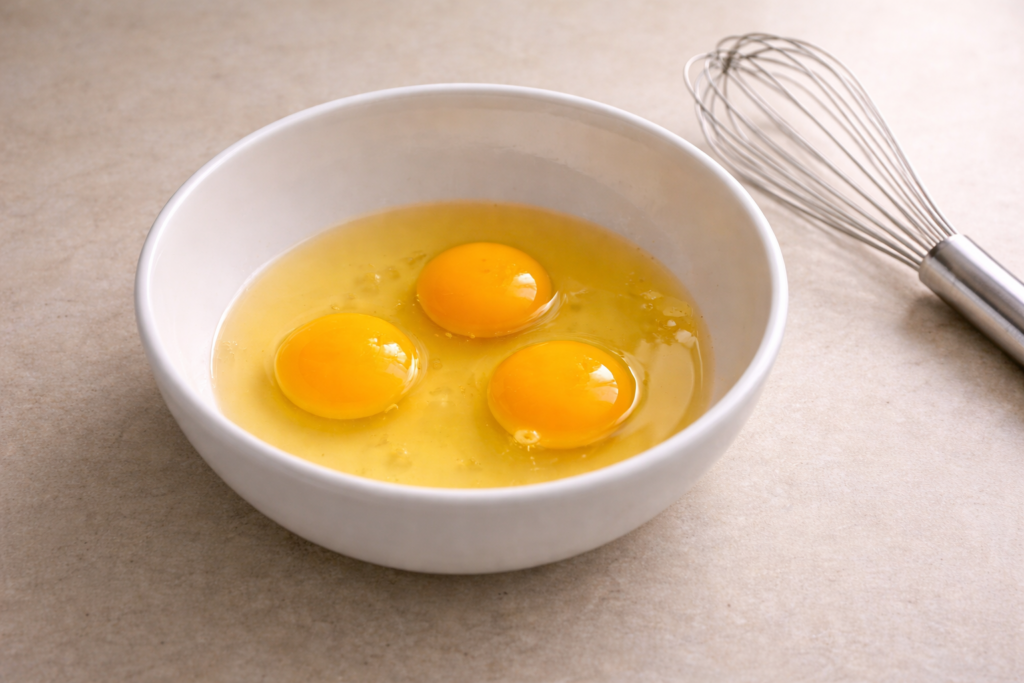
Crack the three eggs into a bowl and whisk them properly — not a quick stir, actually whisk until the yolk and white are fully combined. Season to taste — I usually add salt, a dash of pepper, onion powder, and garlic powder. All optional, but that combination makes a difference.
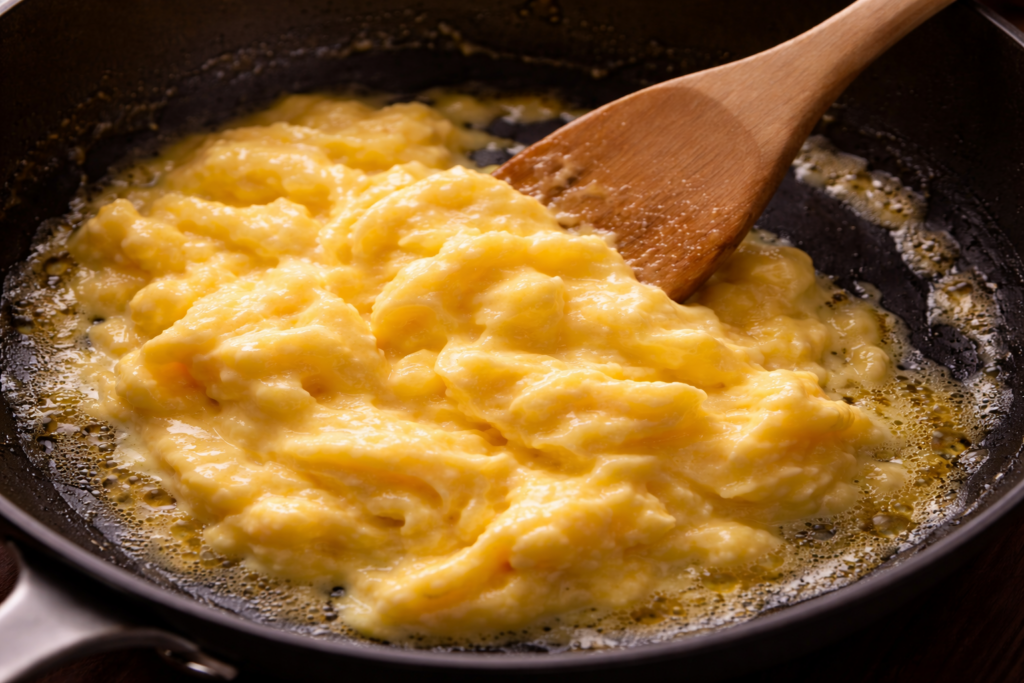
Put the pan on medium-low heat and add the butter. Let it melt but do not let it brown. Pour the eggs in and here is the part most people skip: go slow.
Move the eggs constantly with a spatula, pulling them from the edges toward the centre. Take the pan on and off the heat as you go — on for a few seconds, off for a few seconds, keep moving. This is what makes scrambled eggs creamy instead of dry and rubbery. The residual heat does the work. You are not frying them, you are guiding them.
Pull them off just before they look fully done. They will finish cooking on their own in the pan. Put them on one slice of whole wheat toast — one slice only. That is not a restriction, it is just smart. Keeping the bread to one slice keeps the carbs lower and the protein ratio of the meal where it should be. With eggs you do not need to worry much about overeating — protein is naturally filling and self-regulating. The bread is just the base, not the meal.
Serve the cottage cheese alongside and if you want something fresh on the plate, one sliced tomato with a small pinch of salt and a drizzle of olive oil works really well. The olive oil is genuinely good for you — but do not go overboard with it if you are watching calories. It is dense, and a little goes a long way.
That is the whole meal.
Why the Cottage Cheese Is Not Optional
People see cottage cheese on the side and think it is a filler. It is not. It is doing serious work.
Depending on the brand and how much you serve, a decent portion of cottage cheese adds another fifteen to twenty five grams of protein to this meal. That takes what was already a solid high-protein plate and turns it into something that competes with meals twice its size and effort. All from one side dish that takes zero preparation.
It also adds a different texture alongside the eggs — cool, creamy, slightly tangy. It works on the plate in a way that makes the whole meal feel more complete, not like an afterthought.
Do not skip it. It is the quiet part of the meal that makes the numbers work.
Breakfast, Lunch, or Whenever
This is the part worth repeating. This meal does not belong only at 8am.
Slept in and missed breakfast? Make this at 11. Need something fast at 1pm that is not going to leave you slow and sluggish for the rest of the afternoon? Make this instead of whatever you were about to order. Finished training and want something warm and high protein without a lot of fuss? Same answer.
The eggs do not know what time it is. They just do their job whenever you make them.
That is the whole point of keeping a meal like this in your routine — it is not locked into one slot in the day. It is available whenever you need it, and it will always be better than the alternative you would have grabbed in a hurry.
Build Two and You Have Got a System
The oats in the morning. A high protein egg meal whenever you need it. Two meals, both fast, both built on real food, both prepared fresh in under ten minutes.
That is not a diet. That is not a programme. That is just a reliable system that takes the thinking out of two of your daily meals and replaces junk habits with something that actually works.
For those focused on muscle gain or hitting a daily protein target — this meal makes it easy. Three eggs plus a generous portion of cottage cheese puts you at thirty five to forty grams of protein in one sitting, with minimal calories from junk and maximum return from real food. Stack that alongside your oats in the morning and you have already covered a serious portion of your daily protein needs before midday without overthinking it.
Protein shakes have their place too — convenient, fast, useful when you are on the move. But they are not a meal. They do not keep you full the same way, they do not have the same staying power, and they do not give your body the same experience as eating real food. A shake fills a gap. A real meal builds a foundation.
You do not need twenty recipes. You need two that you will actually make, consistently, without excuses.
These are the two.
Start making them and stop overthinking it.
One question people always ask after sorting their meals is whether protein shakes are worth adding on top. It is a fair question and the answer is not as simple as the supplement industry wants you to believe.
That is exactly what the next article covers — check out are protein shakes worth it for a straight answer on whether they’re genuinely useful, where they fit, and whether they’re worth your money.