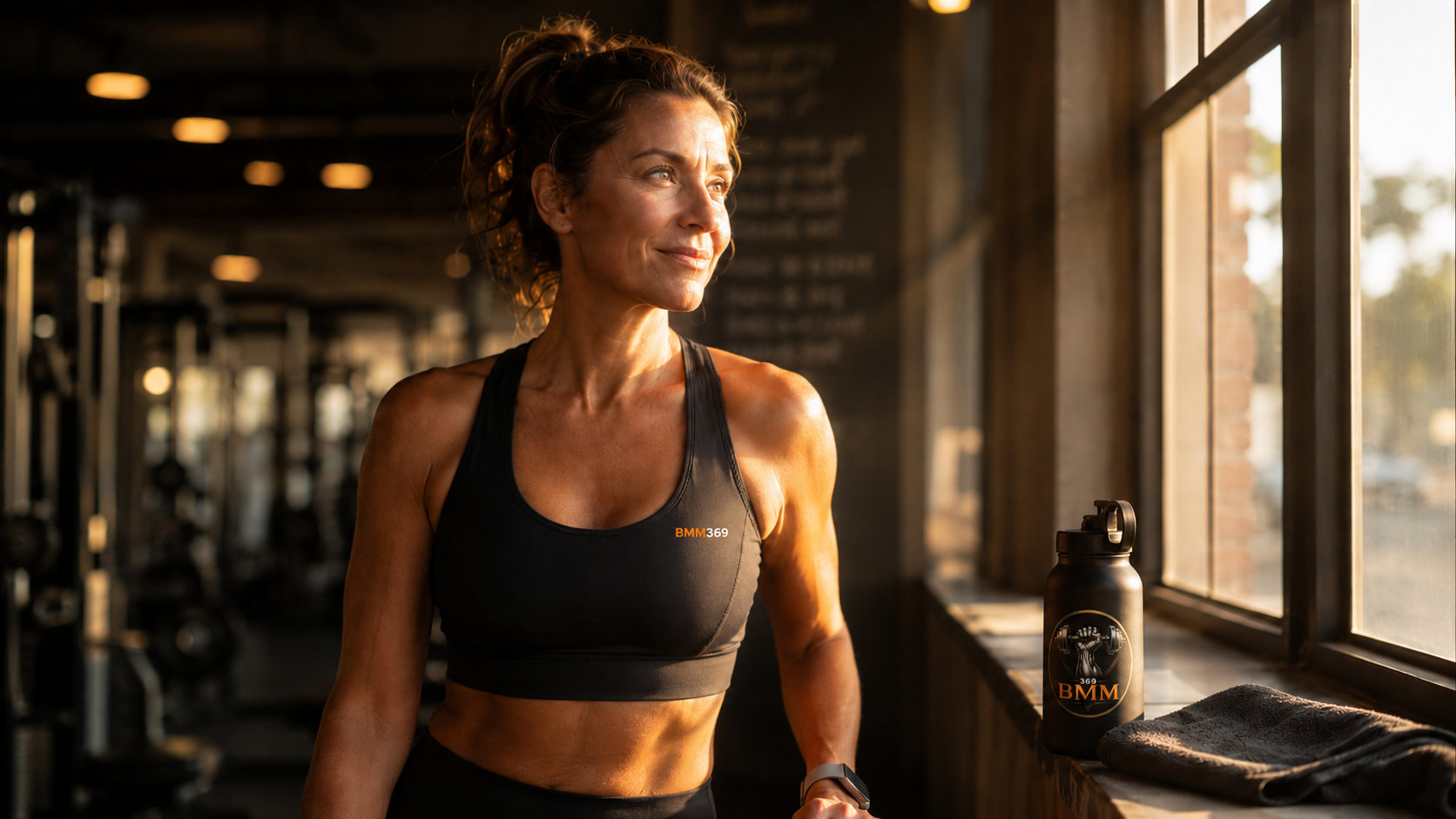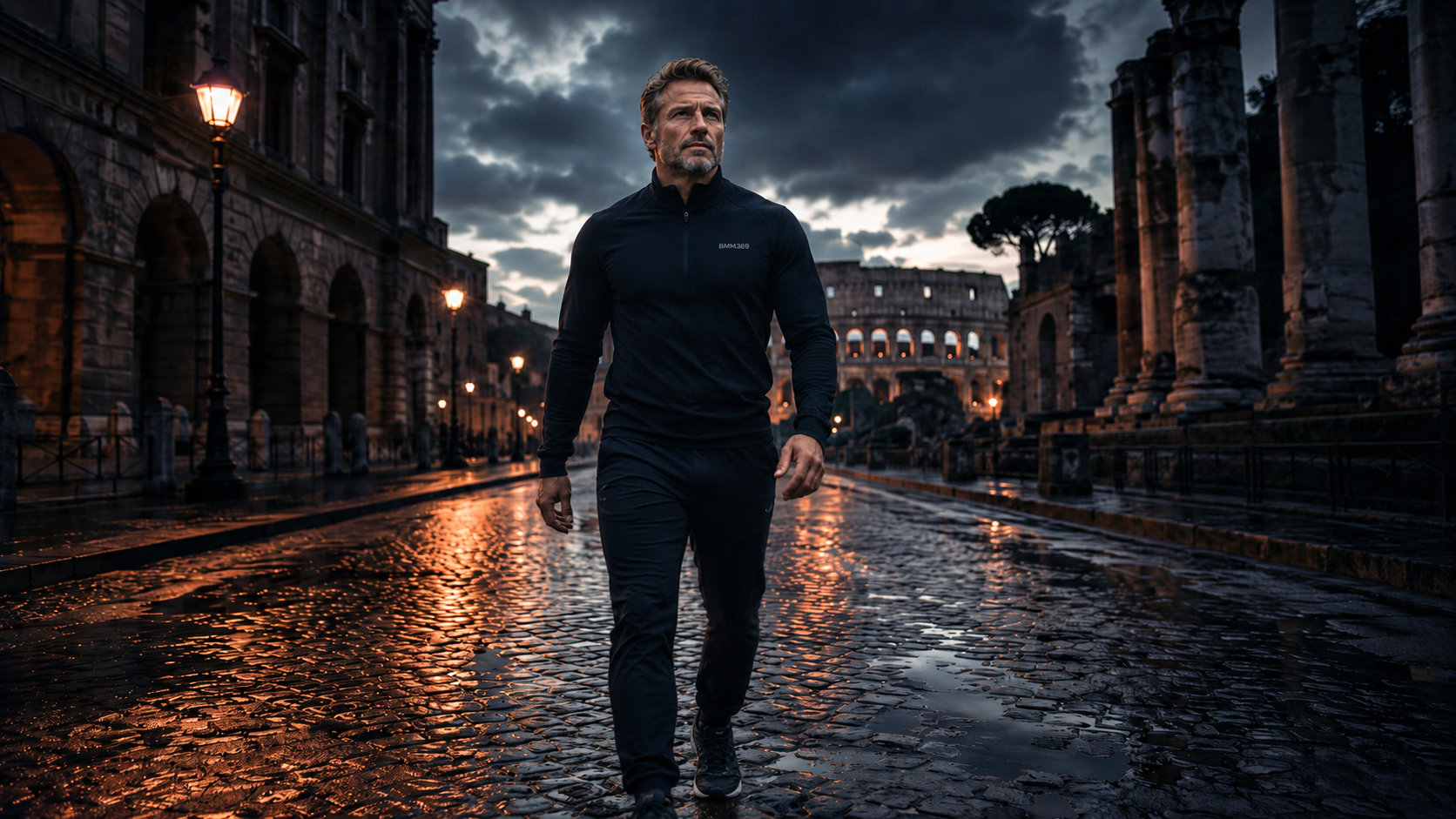
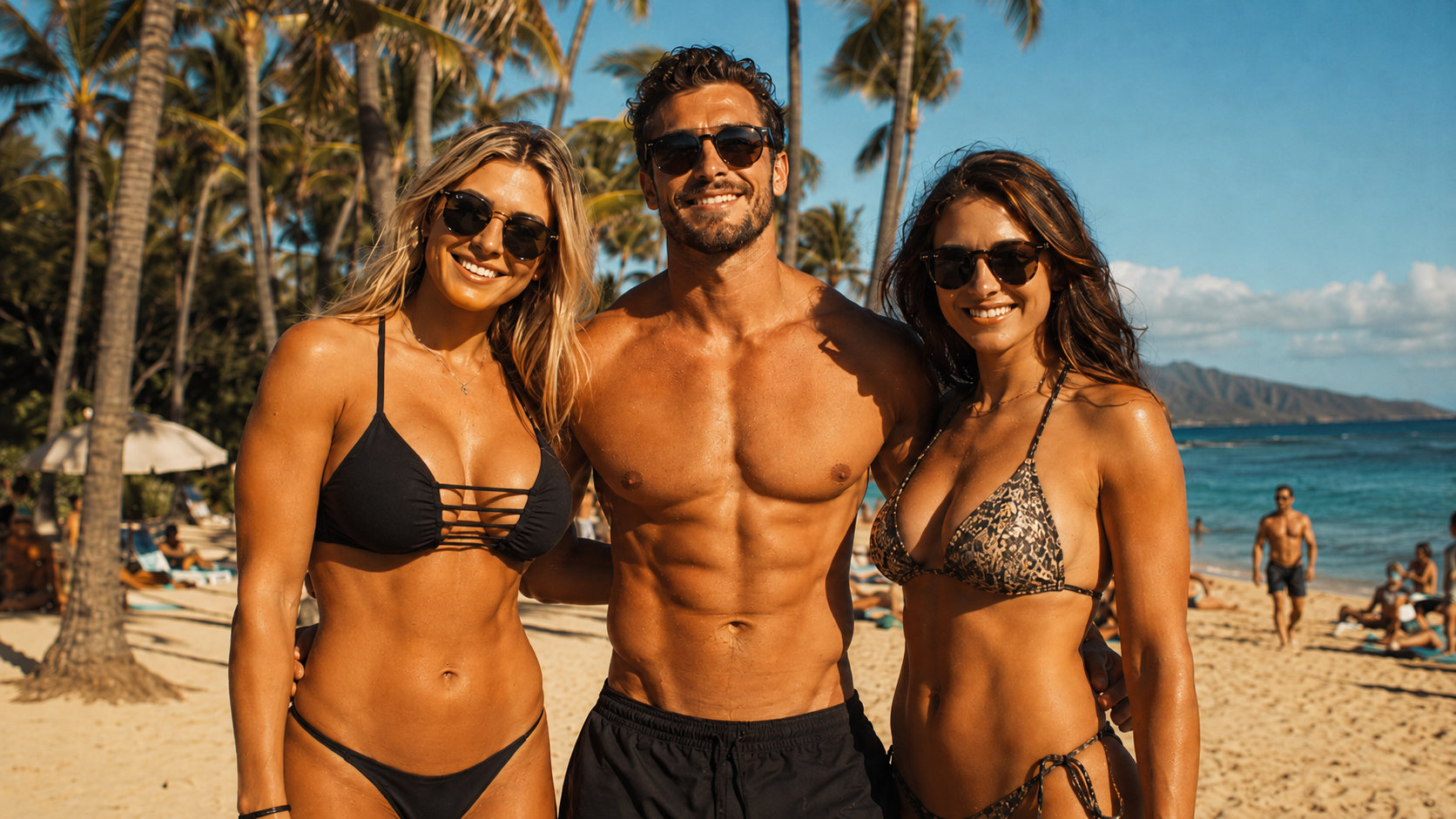
It’s hot. The days are long. And nobody has time — or energy — for a two-hour gym grind when it’s 35 degrees outside.
Summer fitness doesn’t work like the rest of the year. The heat changes everything: your appetite, your energy, how much you sweat, how fast you drain. If you try to force your winter routine into summer, you’re going to burn out fast.
Here’s what most people get wrong — summer isn’t a setback for your fitness, it’s actually an advantage. The heat naturally kills your appetite for heavy food. You’re sweating more, moving more, drinking more water without even thinking about it. Your body is already doing half the work. Whether you’re starting from scratch or just trying to maintain what you’ve built, this is the season where small, consistent efforts show up faster than any other time of year. You don’t need a perfect plan. You need the right one for right now.
Short sessions. Practical movements. The right food. That’s the summer workout routine — and it’s built for the season you’re actually in.
⚡ Quick Answer
What is the summer pump routine? A short, repeatable strength and bodyweight training approach you can do any time of day — morning, afternoon, or evening — combined with summer-specific nutrition focused on lighter food, electrolyte replenishment, and natural hydration. Whether you’re just getting started or already in shape, the goal is the same — use the season to your advantage. Summer’s natural appetite reset, increased sweating, and higher water intake work in your favor from day one. Get leaner, feel stronger, look better. Either way, noticeable changes in how your body looks and feels show up in 4 to 8 weeks.
Why Summer Training Has to Be Different

Here’s the thing most fitness content ignores: summer changes your body’s baseline.
The heat alone raises your resting heart rate, increases fluid loss, and reduces your appetite for heavy meals. You’re already burning more energy just existing in the heat — so trying to train like it’s January is a fast track to exhaustion.
Add the fact that most people’s schedules shift in summer — more social events, more outdoor time, less structure — and the rigid five-day gym split just doesn’t fit.
What does fit? Short, effective sessions you can drop into any point in your day without overthinking it. A set of push-ups before your morning coffee. A quick upper body circuit after dinner when it cools down. A swim session that doubles as training and recovery. Stack those across a week and you’ve got real volume without ever feeling like you’re grinding through a workout.
The summer pump isn’t about going harder. It’s about going smarter.
The Summer Workout Routine: Quick Sessions That Build and Maintain Tone
Forget the gym schedule for a moment. This is about building a simple habit loop you can repeat throughout the day.
The principle: short bursts of resistance training, multiple times per day, add up fast. Ten push-ups five times a day is fifty push-ups. Without even thinking about it. That’s more volume than most people get in a single gym session — and it keeps your muscles active all day instead of sitting for eight hours and training for one.
💡 If you want to actually stick to this, the BMM369 Fitness Planner gives you a simple daily structure to track it — summer and year-round.
The Summer Push-Up Protocol
Push-ups are underrated. They build chest, shoulders, triceps, and core — and you can do them anywhere, any time, with no equipment.
Set a reminder on your phone. Every two to three hours, do a set. Start with what you can handle — 10, 15, 20 — and push slightly further each day.
Variations to hit different muscle groups:
- Wide grip — emphasizes chest
- Close grip (diamond) — hits triceps hard
- Pike push-up — shifts load to shoulders
- Decline push-up (feet elevated) — upper chest and shoulders
This alone — done consistently across a full summer — will keep your chest and arms looking sharp without a single gym session.
Upper Body Circuit (15–20 Minutes)
Do this 3 to 4 times per week. Any time of day works — but morning or evening is better when the heat is lower.
Round 1 (3 rounds, 45 seconds each, 15 seconds rest):
- Push-ups
- Dumbbell shoulder press — no dumbbells? Grab water bottles, a resistance band, or drop into pike push-ups
- Tricep dips (on a chair, bench, or pool edge)
- Plank hold
Round 2 (3 rounds, 45 seconds each):
- Wide push-ups — hands placed further apart than usual, shifts the load to your outer chest, different muscle emphasis than Round 1
- Bicep curls with dumbbells — no dumbbells? Chin-ups on a bar or resistance band curls work just as well
- Lateral raises (light weight or resistance band)
- Squats — bodyweight or with dumbbells depending on your level
Rest 60 seconds between rounds. Keep it moving but don’t rush.
Total time: 18 to 22 minutes. That’s it.
Pool Training (If You Have Access)
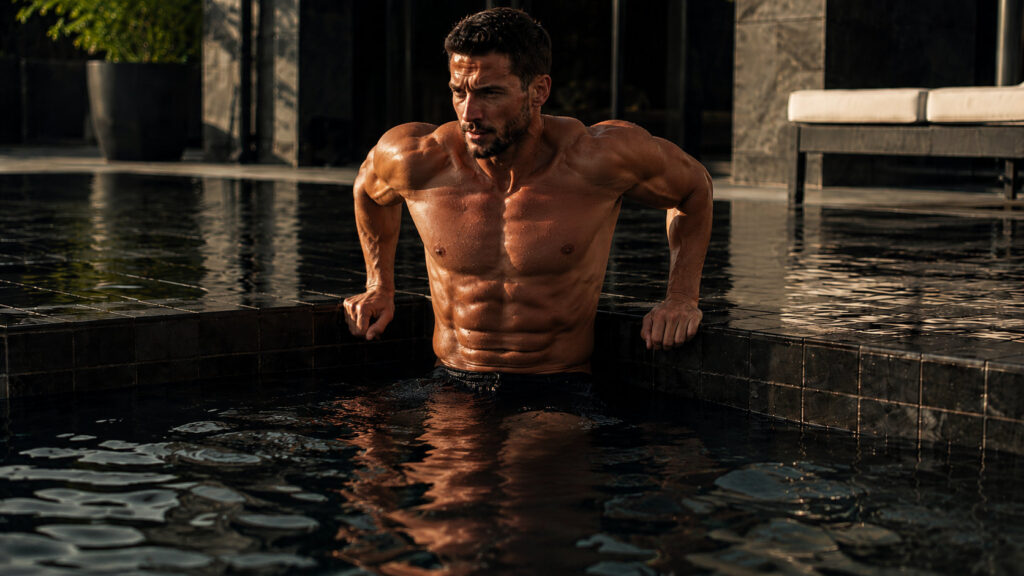
A swimming pool is one of the best summer training tools that nobody talks about seriously. The water resistance works your entire body. It doesn’t feel like a workout — until the next day.
Pool moves worth adding:
- Water flies — arms out wide, drive them together in front of you like a clap. Chest and front delts, water is the resistance
- Water resistance walks — legs and core
- Swimming laps — personally I prefer the breaststroke. That wide arm pull works your chest and lats hard, giving you that V-shape taper over time
- Pool wall dips — triceps and shoulders
Even 20 to 30 minutes in the pool two or three times a week makes a noticeable difference in how your body looks and feels.
What to Expect — Realistic Timeline
Let’s be straight about this. You are not going to build significant new muscle size in eight weeks. That’s just not how physiology works. Meaningful muscle gain takes months of progressive overload, adequate protein, and consistent sleep. Anyone telling you otherwise is selling something.
What you will get with this approach:
- Better muscle tone — the muscles you already have will look tighter and more defined
- A visible pump most days — that full, solid look that makes you feel strong and confident
- Improved strength and endurance in the movements you’re repeating
- A body that looks and feels better in summer clothes — without destroying yourself in the process
4 to 8 weeks in, people will notice. Not because you bulked up — because you tightened up.
The Nutrition: Eat Like It’s Summer
Here’s where most people leave results on the table. They train — maybe even consistently — but they’re eating the same heavy, microwave-heavy diet they had in winter. That doesn’t fly in summer.
The good news? Summer naturally pushes you toward better food. The heat kills your appetite for heavy meals. Fresh produce is everywhere. Cold foods are more appealing. That’s your body giving you a direction — follow it.
Lighter, Fresher, and Still Effective
Summer eating should lean toward foods that are easy to digest, cooling, and high in nutrients without the weight of winter comfort food.
Build your plates around:
- Salads with protein — not diet food, a complete meal when you add grilled chicken, tuna, eggs, or legumes
- Fresh fruit — natural sugars, fiber, and water content that supports training and recovery
- Cold meals — Greek yogurt with berries, overnight oats, cottage cheese bowls, cold protein bowls, cold pasta with tuna or whatever you like. Make extra — it’s just as good the next day
- Grilled lean proteins — chicken, fish, turkey. Summer is barbecue season — use it
Cut back on:
- Heavy, processed meals that slow digestion and sit in your stomach in the heat
- Excess sodium from packaged food — it makes you retain water and feel sluggish in the heat
- Big, calorie-dense meals right before any training session
This isn’t a calorie counting exercise. It’s just eating in sync with the season.
💡 Want your exact calorie and protein targets? Run your numbers through the BMM369 Calorie Calculator and get your baseline before adjusting anything.
The Watermelon Rule
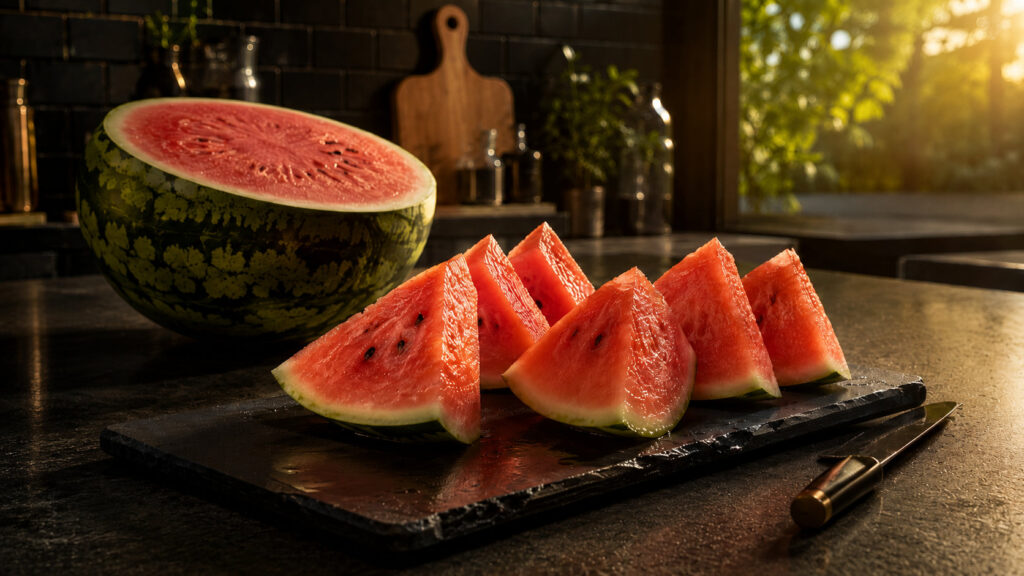
Watermelon deserves its own section — because it’s genuinely one of the best summer foods for anyone training. Use it for hydration, as a snack, as a dessert, or just an easy party fruit — your choice.
It’s 92% water. It contains lycopene, vitamin C, and citrulline — an amino acid that supports muscle blood flow and reduces soreness. It’s low in calories, naturally sweet, and helps you stay hydrated without forcing yourself to drink another glass of water.
A few slices post-workout or as an afternoon snack is one of the simplest, most effective summer nutrition habits you can build. Enjoy it. It’s one of the rare things that tastes incredible and actually helps your physique.
Hydration: Non-Negotiable in the Heat
You’re sweating more. That’s obvious. What’s less obvious is that you’re losing more than just water — you’re losing electrolytes: sodium, potassium, magnesium. When those drop, your energy crashes, your muscles cramp, your head feels foggy, and your performance tanks.
Plain water helps. But if you’re training and sweating in summer heat, plain water alone doesn’t fully replace what you’re losing.
What to prioritize:
- Increase your water intake — the baseline shifts in summer. If you were drinking 2 liters a day in winter, aim for 2.5 to 3 liters in summer heat, more if you’re training
- Add electrolytes — coconut water, a quality electrolyte supplement, or even just a pinch of sea salt in your water goes a long way. For a clean, effective electrolyte boost, SIS Hydro+ is what I use personally — no sugar, no junk, just what your body actually needs in the heat.
- Natural electrolyte foods — bananas (potassium), avocado, watermelon, leafy greens
- Watch your coffee — you probably won’t give it up, and you don’t have to, but caffeine does have a mild diuretic effect. Compensate with extra water
Dehydration in summer isn’t just uncomfortable — it directly undermines your training. Hydrated muscles perform better, recover faster, and look fuller. It’s one of the simplest things you can do to look better with zero extra effort.
🔗 Already dealing with summer energy crashes? Read: Summer Fatigue Is Real — Here’s Why You’re Already Drained and How to Fix It
Supplements Worth Adding in Summer
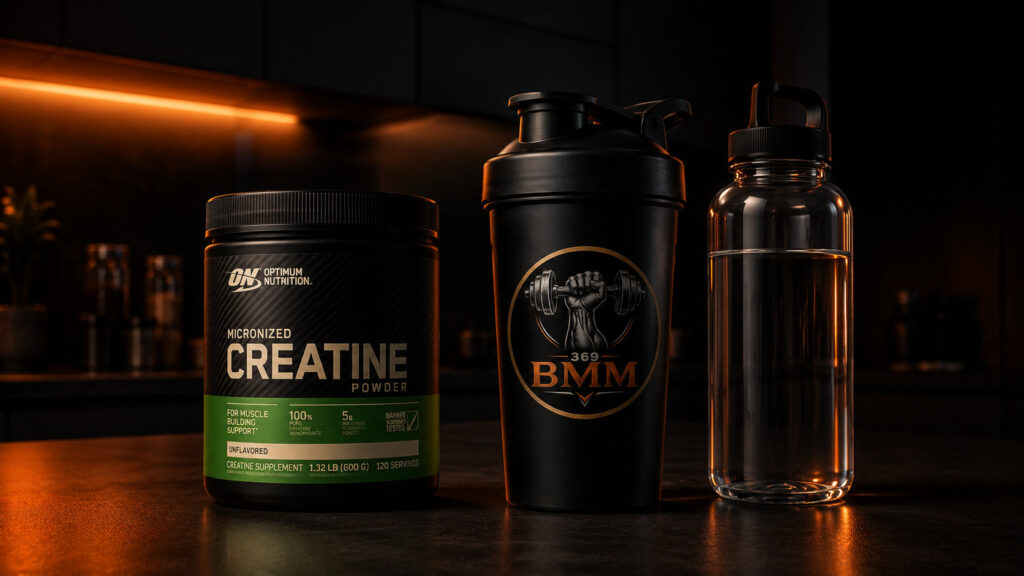
You don’t need a shelf full of supplements to get results in summer. But a few targeted ones make a real difference when you’re training consistently and sweating more than usual.
The short list:
- Protein — if your diet is lighter in summer, your protein intake can drop without you noticing. A quality protein shake keeps your totals where they need to be without forcing a heavy meal. Read the full breakdown here
- Creatine — one of the most researched supplements in existence. Supports strength, power output, and muscle fullness. The Optimum Nutrition Micronized Creatine 675g is the move — 135 servings, just under $40, and it covers you well past the 4 to 8 weeks it takes to see and feel the difference. Take 5g daily. More important that you take it every day than when you take it.
- Electrolyte supplement — especially on training days and in peak heat. Look for something with sodium, potassium, and magnesium without excessive sugar.
- Vitamin D — you’re outside more, but actual absorption varies. Worth keeping in rotation year-round.
Nail these consistently all summer and your body will tell you everything you need to know.
🔗 Want the full breakdown on what’s actually worth your money? Supplements — Which Ones Are Actually Worth Taking
Putting It Together: A Sample Summer Week
This isn’t a rigid program. It’s a template — adjust based on your schedule, the heat, and how your body feels.
- Monday — Upper body circuit (20 min) + push-up sets throughout the day
- Tuesday — Pool session or active rest (walk, stretch)
- Wednesday — Full circuit (20 min) including squats + push-up sets throughout the day
- Thursday — Rest or light pool session
- Friday — Upper body circuit (20 min) + push-up sets throughout the day
- Saturday — Pool training or outdoor activity
- Sunday — Full rest. Eat well. Recover.
Daily non-negotiables:
- 2 to 2.5 liters of water — more on heavy training days or peak heat
- Electrolytes on training days
- Protein at every meal — even if it’s just Greek yogurt or eggs
- At least one push-up session (even if it’s just one set — the habit matters)
Conclusion
Summer is not the time to punish yourself. It’s also not the time to let the season pass you by without doing something about it.
The middle path — short sessions, consistent movement, smart food choices, real hydration — is what actually works. You’ll look better. You’ll feel stronger. And you’ll hit September in better shape than you started June, without grinding through a single miserable workout in peak heat.
Set the reminder. Do the push-ups. Eat the watermelon. Drink the water.
Dream. Act. Elevate.