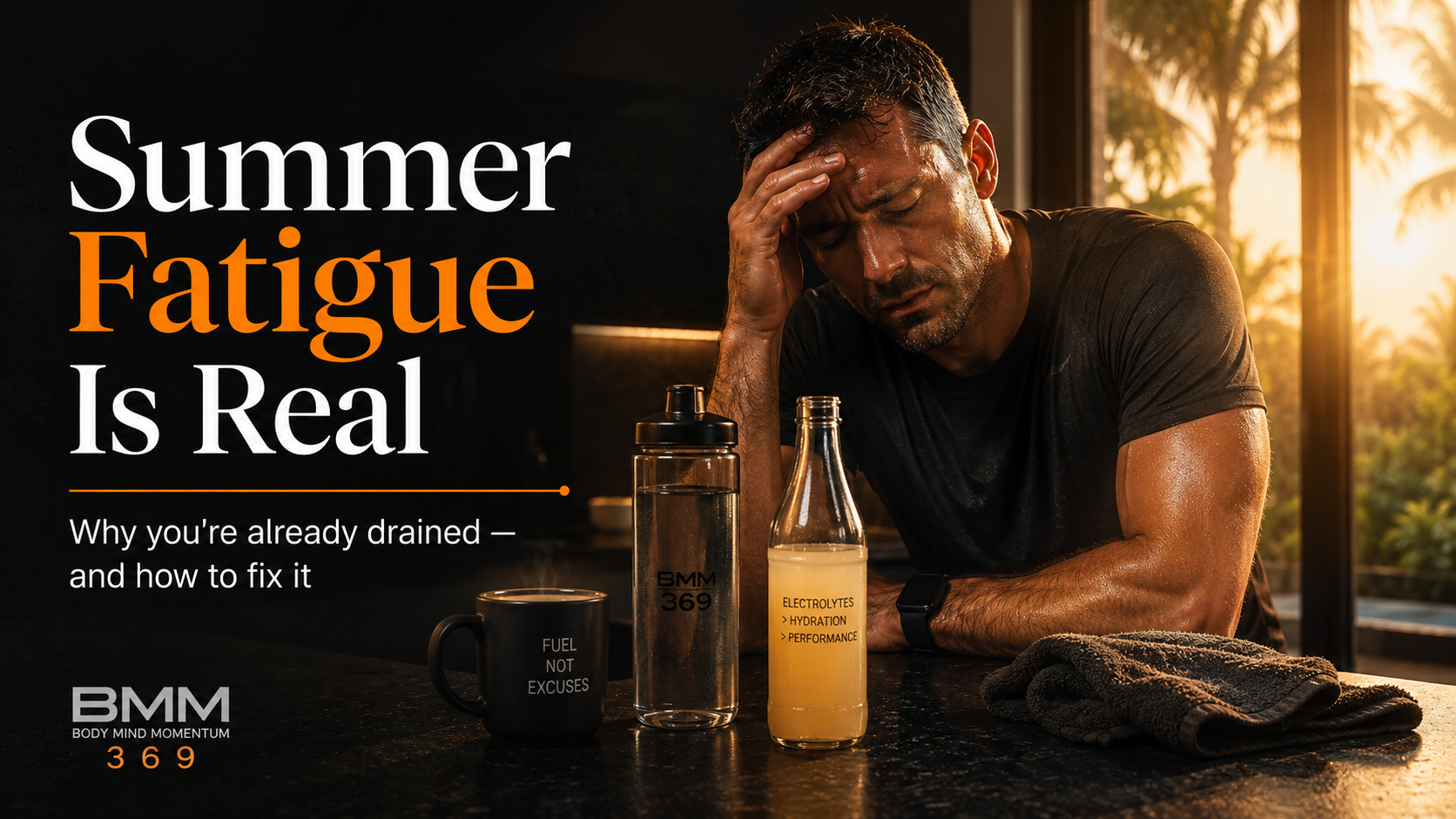
Summer fatigue is real — and the heat hasn’t even hit yet. You’re already running on empty. Tired before noon. Foggy by afternoon. Dragging yourself through the day wondering what the hell happened to your energy.
Before you blame your age, your motivation, or your discipline — look at the basics.
When the weather starts warming up, your body works harder. You sweat more. You lose more fluids. You sleep worse. You drink more coffee and less water. You eat lighter but not smarter. Then you wonder why you feel flat, heavy, tired, and foggy before summer has even properly started.
This is where most people get it wrong.
They wait until they feel bad before they do anything about it. That’s backwards. If summer drains you every year, the answer isn’t to panic when the heat hits. The answer is to prepare before your body starts complaining.
This isn’t about being perfect. It’s about being smarter with your energy.
Disclosure: As an Amazon Associate, I earn from qualifying purchases.
This article is for general informational purposes only and is not medical advice. Always consult a qualified health professional for personal guidance.
If You Already Feel Drained — Start Here
If you feel tired, weak, heavy, foggy, or low-energy right now, the problem probably isn’t motivation.
It’s likely a mix of:
- Not drinking enough water early in the day
- Sweating more than you realise
- Losing electrolytes through sweat
- Running on coffee instead of actual hydration
- Sleeping badly because of warmer nights
- Eating too little or eating the wrong things
- Ignoring early warning signs like thirst, dizziness, cramps, or dark urine
The fix isn’t complicated:
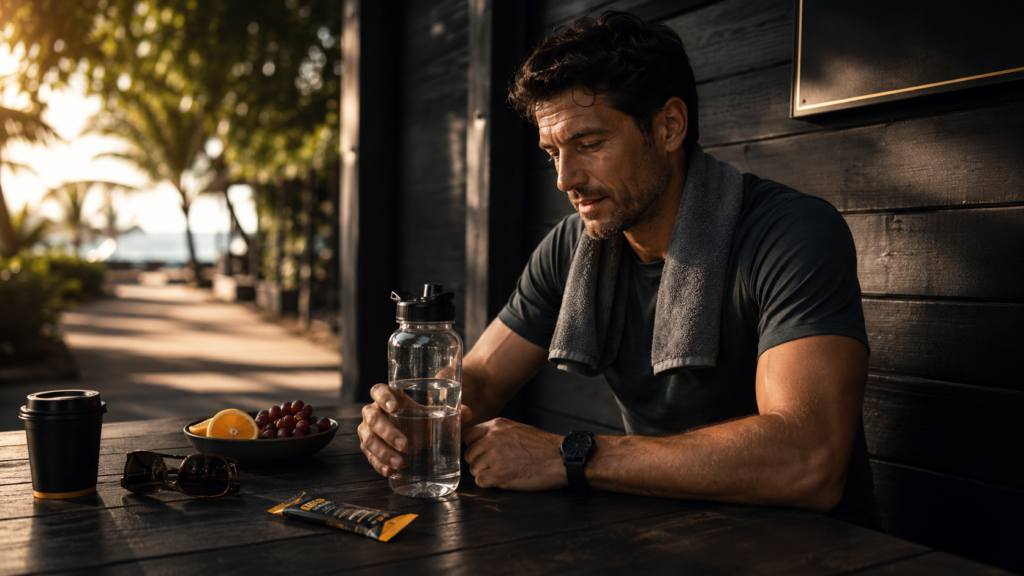
- Start hydrating earlier — not when you’re already thirsty
- Carry water with you instead of hoping you’ll remember
- Stop using coffee as your energy plan
- Use electrolytes when heat and sweat increase
- Eat enough real food
- Respect sleep and recovery
- Stop waiting until your body crashes to pay attention
The NHS lists dehydration symptoms including thirst, headache, light-headedness, dark yellow urine, dizziness, tiredness, and dry mouth. Mayo Clinic warns that not replacing fluids during heavy sweating increases the risk of heat cramps, heat exhaustion, and heatstroke.
None of that is complicated. Most people just ignore it until it becomes a problem.
Why Summer Drains You Before It Even Hits
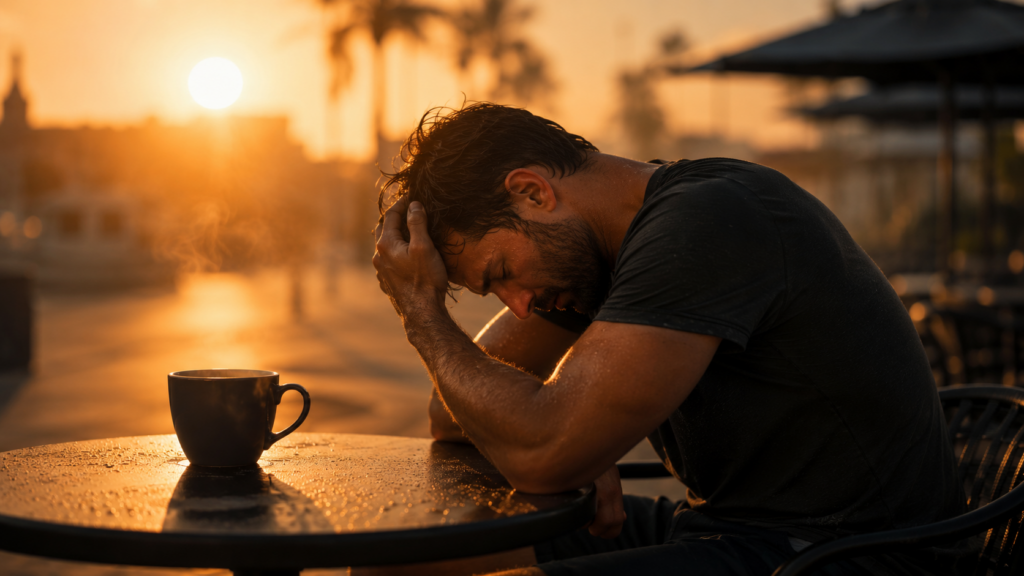
Summer doesn’t have to be extreme to affect you.
Even the weeks leading into summer can start changing how your body feels. The days get warmer. You sweat more. You may walk more, spend more time outside, train harder, or simply move around in heat you’re not used to yet.
Your body is constantly trying to keep itself balanced.
When it’s hot, your body uses sweat to cool you down. That’s normal. But sweat doesn’t only contain water. It also contains minerals — sodium and other electrolytes. If you keep losing fluids and minerals without replacing them properly, you start to feel it.
Not always dramatically.
Sometimes it’s subtle.
- Your legs feel heavier than they should
- Your head feels foggy
- Your heart rate climbs faster than usual
- You feel tired from basic things
- You need another coffee just to function
Then the bad habit starts. Instead of listening to the body, people push harder, drink more caffeine, eat randomly, and tell themselves they’re just tired.
Sometimes that’s true. But sometimes your body is giving you early warning signs.
Don’t wait for those warnings to become a real problem.
The Big Mistake: Thinking Water Alone Fixes Everything
Water matters. Let’s be clear about that.
Most people would feel significantly better if they simply drank more water and stopped pretending coffee counts as hydration.
But in hotter weather — especially if you’re sweating, walking, training, working outside, or spending time in the sun — water alone may not always be enough.
That doesn’t mean you need to overcomplicate everything.
It means you need to understand the difference between basic hydration and replacing what you actually lose when you sweat more.
The CDC recommends drinking before you feel thirsty during heat exposure. By the time thirst kicks in, you may already be behind. Starting your day hydrated makes it far easier to stay that way.
That’s common sense. But most people still get it wrong.
They wake up, drink coffee, rush through the morning, eat something small, sweat a little, forget water, then wonder why they feel destroyed by 3pm.
That’s not mysterious. That’s bad preparation.
My Simple Rule: Carry Water Before You Need It
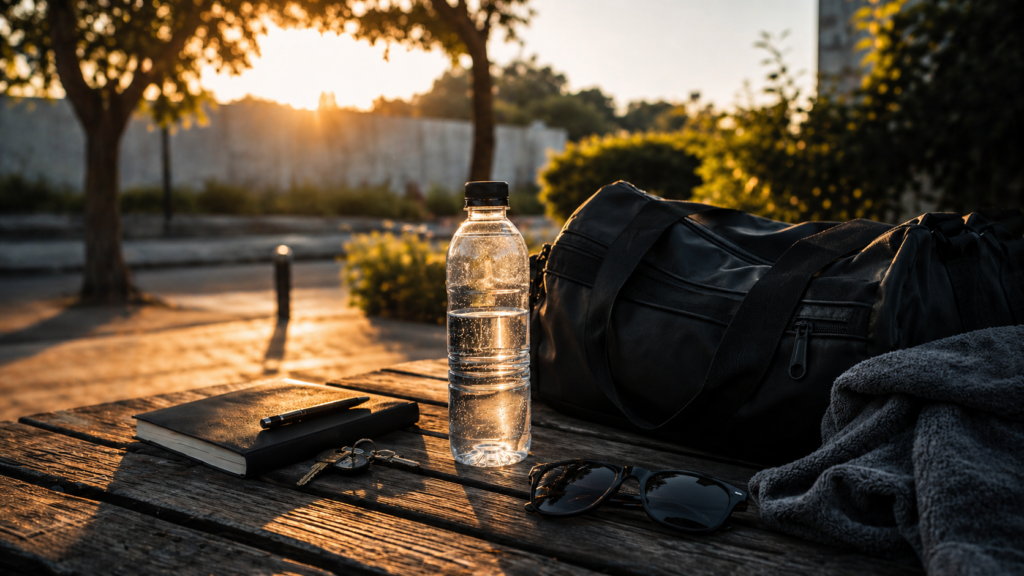
One habit I personally swear by is simple.
I carry a 500ml bottle of natural water with me wherever I go. Not sometimes. Not when I remember. Always.
It’s not a hack. It’s not a secret. It just removes the excuse.
If I’m out walking, running errands, working, or spending time outside, I already have water with me. I don’t need to wait until I feel dry, tired, or irritated before I think about hydration.
I also stick to room-temperature water. Drinking very cold water or ice-cold drinks when your body is already warm or active isn’t a good idea — it shocks the system and can actually interfere with digestion and body temperature regulation. Cool or room-temperature water hydrates more effectively and helps your body manage heat better. There’s a reason Arabs drink hot tea at 40°C in the middle of summer — by matching the external temperature, the body doesn’t have to work as hard to compensate. The contrast between ice-cold drinks and a hot body creates more stress, not less.
You don’t have to copy that exactly.
The point is preparation.
A lot of health advice sounds complicated because people want it to sound impressive. But sometimes the real improvement is stupidly basic.
Carry water. Drink earlier. Stop waiting until you feel bad.
That alone can change how your whole day feels.
Electrolytes: What They Are and Why They Matter in Summer
Electrolytes are minerals that help your body with fluid balance, muscle function, and nerve function.
The main ones worth knowing:
- Sodium
- Potassium
- Magnesium
- Calcium
- Chloride
You don’t need to become a scientist to understand this.
When you sweat, you lose fluids and salts. If you’re sweating more than usual because of heat, training, walking, outdoor work, or long active days, replacing electrolytes can help support proper hydration and keep you functioning properly.
Pay attention if you notice:
- Muscle cramps
- Heavy legs
- Unusual fatigue
- Headaches
- Feeling light-headed
- Feeling flat after sweating
- Needing more recovery time than usual
Now — don’t turn this into paranoia.
Fatigue has many causes. Poor sleep, stress, under-eating, illness, medication, alcohol, blood sugar issues, low iron, thyroid problems. If tiredness is ongoing and unexplained, speak to a doctor.
But if your tiredness shows up specifically when heat, sweat, and activity increase, hydration and electrolytes are a logical and simple place to start.
The Electrolyte Product I Use
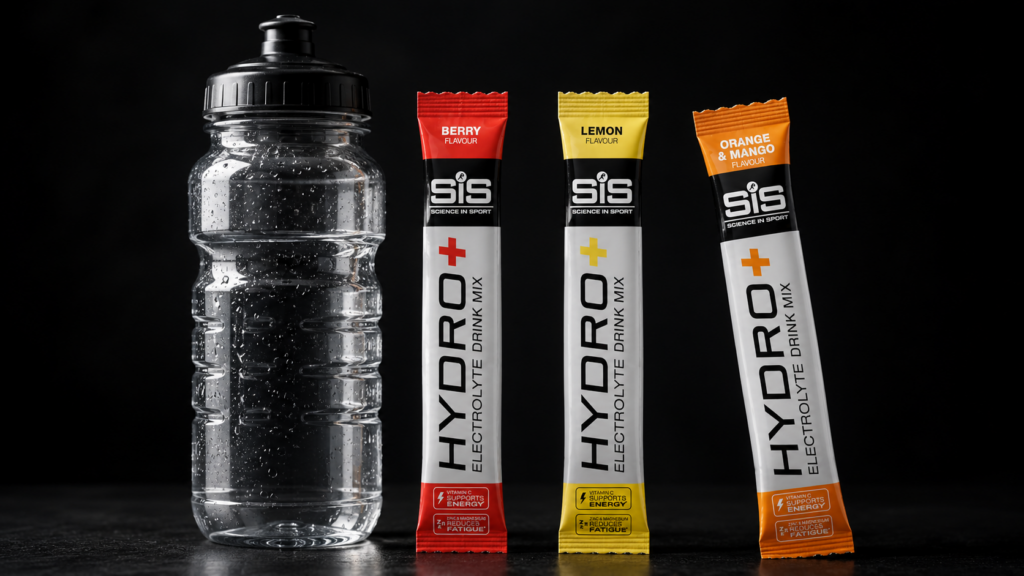
One tool I personally use is SIS Hydro+ electrolyte drink mix.
After my motorcycle accident, my intestinal tract was altered. My body doesn’t absorb fluids the way it used to. I lose them faster than most people and I feel it when it happens — dry mouth, sudden weakness, that hollow feeling where your strength just disappears. It doesn’t take much. Heat speeds it up. Too many trips to the bathroom wipes me out fast.
That’s not a gym problem. That’s a real life problem.
I’m not drinking this because I just crushed a workout and need to recover. I drink it because sometimes my body genuinely needs help getting back to functional. Fast.
I sip it slowly with 500ml of water. Not chugging it like an energy drink. Just steady, consistent sipping until I feel the shift. And I do feel it — not a miracle, but real.
I’ve tried a few products over the years. I keep coming back to this one because it works, it’s simple, and I can carry it anywhere without thinking about it. One stick. One bottle. That’s the whole system.
If heat, sweating, or anything else drains you fast — this is worth keeping around.
I’ve also tried making my own electrolyte mix at home. Salt, lemon, a pinch of baking soda. It works to some extent but you’re basically guessing. The ratios aren’t calculated, the balance isn’t consistent, and half the time you’re not sure if you’re actually getting what your body needs or just drinking salty lemon water.
This is already done for you. The right minerals, in the right amounts, specifically formulated to work together. No guessing in the kitchen. Just mix and drink.
Don’t Use Electrolytes as an Excuse to Ignore Food
This is another mistake people make.
They drink an electrolyte mix and think they’ve solved everything.
They haven’t.
Electrolytes can help with hydration support when you’re sweating more. But they don’t replace food, sleep, or recovery.
Before summer, a lot of people start eating lighter because they want to lose weight or feel better. That’s fine if it’s done sensibly.
But some people go too far.
They eat too little. Skip proper meals. Drink coffee instead of eating. Snack randomly. Train or walk in the heat with no fuel in the body.
Then they feel weak and blame everything except the obvious.
Your body needs water, minerals, and food. Real food.
- Protein
- Fruit and vegetables
- Carbohydrates that match your activity level
- Healthy fats
- Enough calories to support what you’re asking your body to do
If you’re trying to lose weight, you need a calorie deficit — not starvation. Control doesn’t mean running on empty and calling it discipline.
That’s not discipline. That’s stupidity dressed up as motivation.
Use the calorie calculator to understand your daily needs before cutting too hard.
Coffee Is Not a Hydration Plan
I like coffee. I’m not going to pretend it’s evil.
But coffee is not an energy strategy.
Most people wake up already slightly dehydrated, drink coffee, skip water, rush through the morning, then wonder why they feel wired but exhausted by midday. That’s the trap.
Something worth trying — wait 60 to 90 minutes after waking before having your first coffee. Let your body wake up naturally first. It sounds counterintuitive but it actually works better. Your cortisol levels are naturally higher in the first hour after waking, so coffee on top of that is overkill. Wait it out and the coffee hits differently.
If you’re on blood pressure medication, there’s another reason to think about timing. Coffee raises blood pressure temporarily — if you’re taking meds to lower it, drinking coffee right alongside them isn’t smart. I personally leave at least an hour between my meds and my first coffee. That’s what works for me. Talk to your doctor about what works for you.
Coffee makes you feel alert for a while. It doesn’t replace hydration, minerals, food, or sleep.
If you’re relying on coffee while ignoring the basics, you’re borrowing energy from a body that’s already running low.
In summer this gets worse because heat adds another layer of stress.
So instead of asking “should I drink coffee?” ask a better question:
Am I using coffee on top of good habits — or am I using it to cover up bad ones?
Big difference.
Simple rule: drink water first thing. Coffee can wait. Not complicated. Just smarter.
Sleep Gets Worse When the Weather Gets Warmer
People talk about hydration and forget sleep entirely.
Warmer nights make sleep lighter and more broken. If you sleep badly, everything the next day feels harder.
- Motivation drops
- Cravings go up
- Patience gets worse
- Training feels heavier
- Recovery slows down
- Energy feels unstable all day
Then you think you need more caffeine. But what you actually need is a better evening routine, a cooler room, less screen time before bed, lighter late meals, and an honest look at your sleep habits.
Nothing mystical. Just basics.
You cannot build strong daily energy on broken recovery.
Try mindful breathing before bed to help your body shift out of stress mode.
Warning Signs You Shouldn’t Ignore
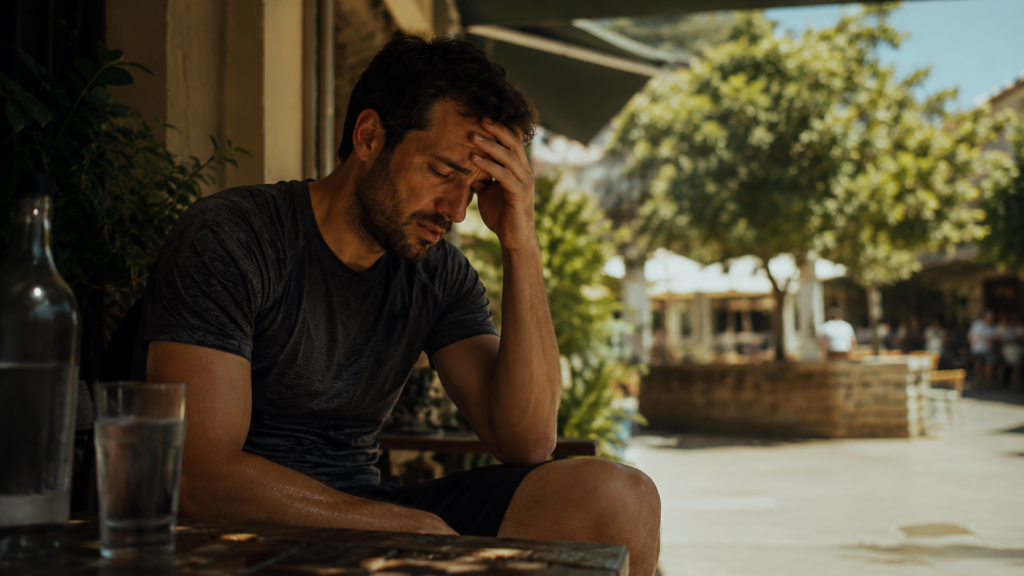
Summer fatigue can show up as more than just tiredness. Feeling a little tired sometimes is normal.
But some signs deserve attention — especially when heat increases.
Watch for:
- Dizziness or light-headedness
- Confusion
- Very dark urine
- Not peeing much despite drinking
- Strong persistent headache
- Heart rate that feels unusually high
- Muscle cramps that keep coming back
- Weakness out of proportion to what you’ve done
- Nausea
- Feeling faint
- Symptoms that don’t improve with rest, fluids, and cooling down
NOTE:
A normal resting heart rate is between 60 and 100 beats per minute. If you want to check yours without any device, here’s how: twist your watch so the face sits on the underside of your wrist. Place two fingers firmly on the inside of your wrist, just below the base of your thumb. Count the beats you feel for 6 seconds, then multiply by 10. That’s your beats per minute. Simple, accurate, and you can do it anywhere. If you’re consistently above 100 at rest — especially combined with heat, dizziness, or fatigue — pay attention.
Don’t play hero with this.
If symptoms are strong, unusual, or don’t clear up, speak to a medical professional. This article is general health information — not a diagnosis.
Simple Summer Fatigue Checklist
Not perfect. Just useful. Run through this daily.
1. Did you drink water early? Don’t wait until afternoon. Start first thing.
2. Are you carrying water with you? A 500ml bottle removes every excuse.
3. Are you sweating more than usual? If yes, think beyond plain water. Electrolytes may help.
4. Are you using coffee as a crutch? Coffee on top of good habits — fine. Coffee instead of good habits — problem.
5. Are you eating enough real food? Light meals are okay. Under-eating and calling it discipline is not.
6. Are you sleeping properly? Fix recovery before blaming your motivation.
7. Are you listening to early signals? Don’t wait until you’re dizzy, cramping, or flat on the couch. Act earlier.

Stop Waiting Until Your Body Crashes
Most people don’t need a complicated summer health plan.
They need to stop ignoring the obvious.
If you feel drained before summer even starts, look at your daily habits honestly.
Are you drinking water early enough? Carrying it with you? Replacing minerals when you sweat? Eating real food? Sleeping properly? Using coffee to hide the fact that your body is already tired?
This isn’t about being soft. It’s about being smart.
Your body gives you signals before it breaks down. Most people ignore them until they become impossible to ignore.
Don’t wait for the crash.
Prepare earlier. Carry water. Respect the heat. Use electrolytes when they make sense. Eat properly. Sleep better. Stop acting surprised when your body reacts to neglect.
Summer is easier when you don’t enter it already running on empty. If you want to try the electrolyte mix I personally use to stay on top of it, you can find SIS Hydro+ here.
If you’re over 40, managing energy in summer becomes even more important — read the Getting Fit After 40 guide here.
For a look at supplements that may actually be worth taking, read this guide.